Diabetes
Diabetes Definition
Diabetes is a chronic condition where the body can’t properly use insulin, leading to high blood sugar (glucose) levels, which can cause serious complications like heart disease, nerve damage, and blindness if not managed through lifestyle changes, medication, or both. Common symptoms include increased thirst and urination, hunger, fatigue, and blurred vision.
Types of Diabetes
Type 1 Diabetes: The immune system attacks insulin-producing cells in the pancreas; often diagnosed in younger people. Genetic and environmental factors trigger the immune system to destroy beta cells in the pancreas.
Type 2 Diabetes: The body doesn’t use insulin effectively (insulin resistance) or doesn’t make enough; most common type, often linked to lifestyle factors like obesity. A mix of genetics, lifestyle (diet, inactivity, excess weight), age, and family history.
Gestational Diabetes Develops during pregnancy, usually temporary, but increases future Type 2 risk.
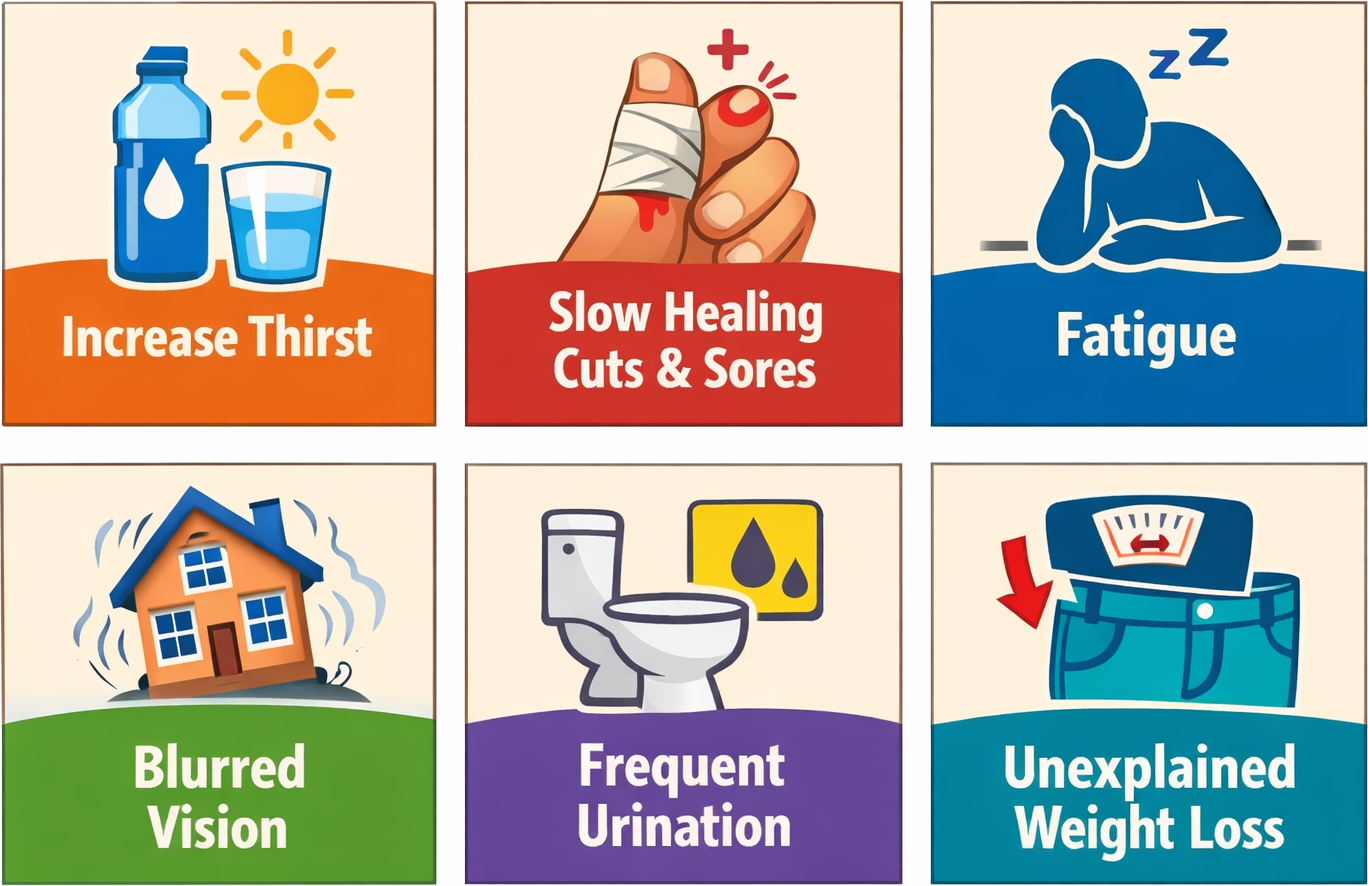
Common Symptoms These are common Symptoms:
- Increased thirst and frequent urination.
- Extreme hunger.
- Fatigue.
- Blurred vision.
- Slow-healing sores or frequent infections.
- Tingling or numbness in hands/feet (Type 2).
High blood sugar damages blood vessels, leading to:
- Cardiovascular Issues: Increased risk of heart attack, stroke, and high blood pressure.
- Nerve Damage (Neuropathy): Pain, tingling, or numbness, especially in legs and feet.
- Kidney Disease (Nephropathy): Can lead to kidney failure.
- Eye Problems: Damage to blood vessels in the eyes, potentially causing blindness.
- Foot Problems: Ulcers, infections, and potential amputations.
The level of blood glucose (sugar) can be of the following:
- Hypoglycemia
- Normal
- Hyperglycemia
As it is shown below:

Hypoglycemia
Hypo == Under + Glycemia refers to the concentration of sugar or glucose in the blood
Hypoglycemia is the term for low blood glucose (sugar). Glucose is produced from the food you eat and from the liver, which stores a form of glucose called glycogen. Glucose is the “fuel” that the brain and other parts of the body need to function properly. Patients with severe hypoglycemia may experience unconsciousness or seizures due to low blood sugar. Severe hypoglycemia can be dangerous and must be treated promptly.
Symptoms of hypoglycemia include: Feeling shaky, sweaty, weak, headache, confusion, feeling like you may pass out, and feeling the heart racing.
Hypoglycemia is defined as any blood glucose less than 4.0 mmol/L or multiplying by 18 =72 mg/dL,
Hyperglycemia
Hyper == highly excited + Glycemia refers to the concentration of sugar or glucose in the blood
High blood sugar, also called hyperglycemia, affects people who have diabetes. Several factors can play a role in hyperglycemia in people with diabetes. They include food and physical activity, illness, and medications not related to diabetes. Skipping doses or not taking enough insulin or other medication to lower blood sugar also can lead to hyperglycemia.
Hyperglycemia is generally defined as any blood glucose greater than:
- 125 mg/dL (7.0 mmol/L) after fasting for at least eight hours.
- 180 mg/dL (10 mmol/L) two hours after a meal (postprandial) or at a random check.
It is important to note that these thresholds can vary based on the individual’s specific health condition (such as pregnancy or hospitalization) and their healthcare provider’s target goals.
For individuals without a diabetes diagnosis, a fasting blood glucose level between 100 mg/dL and 125 mg/dL is considered pre-diabetes (impaired fasting glucose).
For diabetes, “fasting” usually means not eating or drinking (except water) for 8-12 hours before a test.
It’s important to treat hyperglycemia. If it’s not treated, hyperglycemia can become severe and cause serious health problems that require emergency care, including a diabetic coma. Hyperglycemia that lasts, even if it’s not severe, can lead to health problems that affect the eyes, kidneys, nerves and heart.
Glossary
| Term | Meaning |
|---|---|
| Diabetes | A disease where blood sugar levels are too high or poorly controlled due to insulin problems. |
| Insulin | A hormone that helps glucose move from the blood into body cells for energy. |
| Glucose | A type of sugar in the blood that serves as the body’s main energy source. |
| Blood Glucose | The amount of sugar present in the blood at a given time. |
| Type 1 Diabetes | An autoimmune condition where the immune system destroys insulin-producing cells. |
| Type 2 Diabetes | A condition where the body does not use insulin effectively or produces too little insulin. |
| Gestational Diabetes | Diabetes that develops during pregnancy and usually resolves after birth. |
| Hypoglycemia | Abnormally low blood sugar levels, usually below 4.0 mmol/L (72 mg/dL). |
| Hyperglycemia | Abnormally high blood sugar levels above normal ranges. |
| Glycemia | The concentration of glucose in the blood. |
| Glycogen | Stored form of glucose found mainly in the liver. |
| Neuropathy | Nerve damage that can cause pain, tingling, or numbness, especially in the feet. |
| Nephropathy | Kidney damage caused by long-term high blood sugar levels. |
| Cardiovascular Disease | Heart and blood vessel conditions such as heart attack and stroke. |
| Pre-diabetes | A condition where blood sugar levels are higher than normal but not yet diabetes. |
| Fasting Blood Glucose | Blood sugar level measured after not eating for 8–12 hours. |
| Postprandial | Refers to blood sugar measured after eating a meal. |
Questions and Answers
| Question | Answer |
|---|---|
| What is diabetes? | Diabetes is a chronic condition in which the body cannot properly regulate blood sugar because of problems with insulin. |
| What is insulin and why is it important? | Insulin is a hormone that helps glucose move from the blood into cells to be used for energy. Without enough insulin, blood sugar rises. |
| What causes diabetes? | Diabetes can be caused by the immune system attacking insulin-producing cells (Type 1) or by insulin resistance and lifestyle factors (Type 2). |
| What are the main types of diabetes? | The main types are Type 1 diabetes, Type 2 diabetes, and gestational diabetes. |
| What are common symptoms of diabetes? | Common symptoms include increased thirst, frequent urination, hunger, fatigue, blurred vision, and slow-healing sores. |
| What is hypoglycemia? | Hypoglycemia is a condition where blood sugar is too low, usually below 4.0 mmol/L (72 mg/dL). |
| What are symptoms of hypoglycemia? | Symptoms include shakiness, sweating, weakness, headache, confusion, dizziness, and a racing heartbeat. |
| Why is hypoglycemia dangerous? | Severe hypoglycemia can cause seizures, unconsciousness, and may be life-threatening if not treated quickly. |
| What is hyperglycemia? | Hyperglycemia is a condition where blood sugar levels are too high. |
| What causes hyperglycemia? | Causes include eating too much, illness, stress, skipping insulin or medications, and lack of physical activity. |
| How is hyperglycemia diagnosed? | Hyperglycemia is usually diagnosed when fasting blood sugar is above 125 mg/dL (7.0 mmol/L) or after-meal levels exceed 180 mg/dL (10 mmol/L). |
| What happens if hyperglycemia is not treated? | Long-term high blood sugar can damage the heart, kidneys, nerves, eyes, and blood vessels. |
| What is pre-diabetes? | Pre-diabetes is a condition where fasting blood sugar is higher than normal but not high enough to be classified as diabetes. |
| How does high blood sugar damage the body? | High blood sugar damages blood vessels and nerves, leading to complications such as heart disease, kidney failure, and vision loss. |
| Can diabetes be managed? | Yes, diabetes can be managed through healthy eating, physical activity, medication, insulin therapy, and regular blood sugar monitoring. |
| Why is blood glucose monitoring important? | Monitoring helps detect high or low blood sugar early and prevents serious complications. |